Introduction
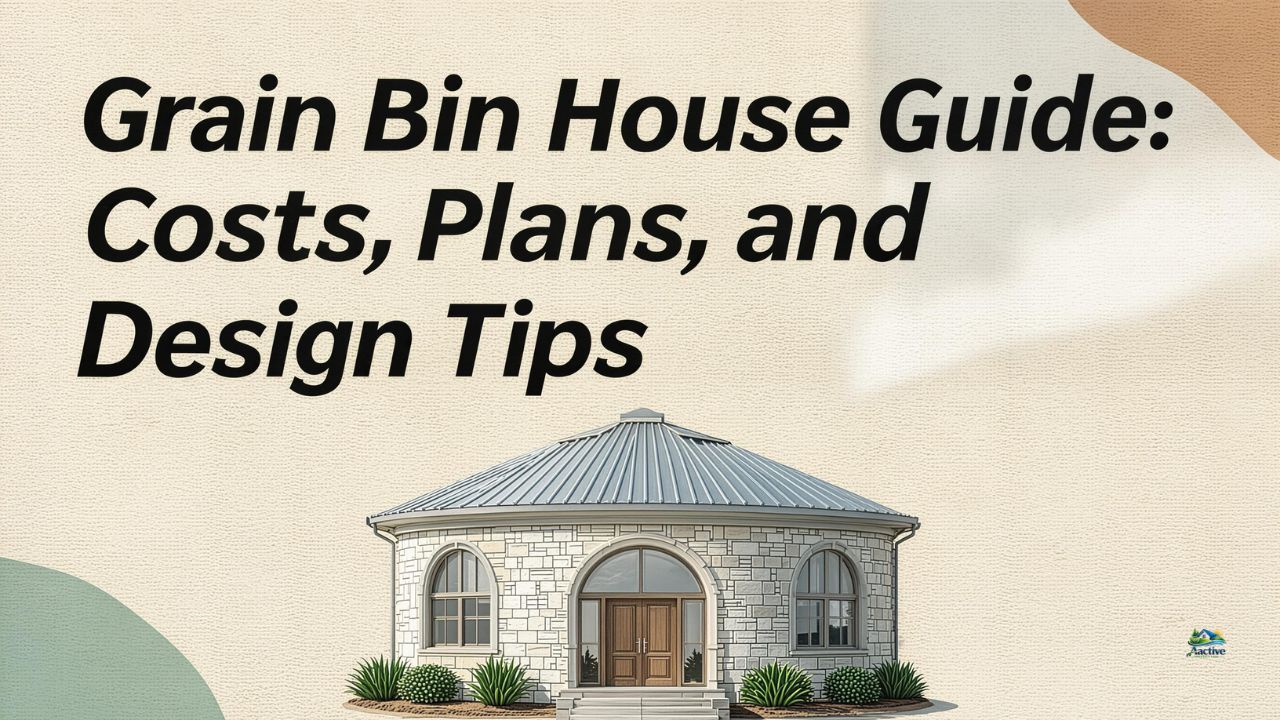
A round metal farm structure might not look like a dream home at first glance, but that is exactly what makes it so interesting. A grain bin house turns a simple agricultural shell into a warm, creative, and surprisingly livable space.
For people who love rural charm, smart reuse, and homes with real personality, this idea has a special pull. It is not a cookie-cutter build. It feels practical, bold, and a little adventurous.
The appeal is easy to understand. Grain bins are strong, weather-resistant, and already shaped in a way that creates memorable interiors. With the right planning, insulation, windows, utilities, and permits, they can become comfortable homes, guest cabins, studios, or weekend retreats.
What Is a Grain Bin Home?
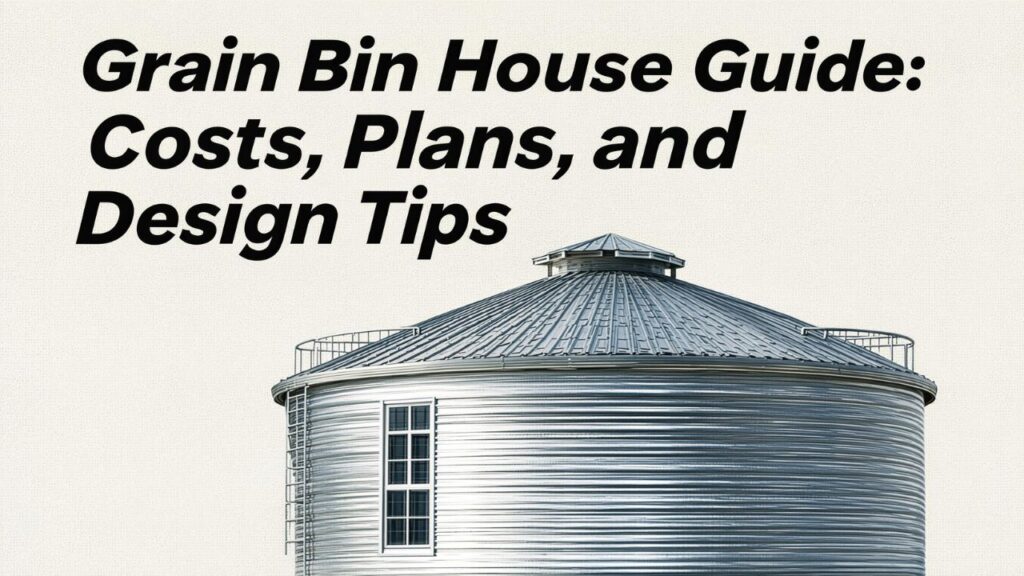
A grain bin home is a residential space built from a steel farm grain bin or inspired by the circular design of one. Traditional grain bins are usually made from corrugated galvanized steel and are designed to store dry grain safely. Texas Department of Insurance notes that grain bins are generally shorter and wider than silos, with peaked roofs and vents meant to help keep moisture out.
When converted into housing, the structure needs much more than cosmetic work. It usually requires a proper foundation, framing, insulation, doors, windows, plumbing, electrical systems, heating and cooling, moisture control, and code-compliant exits.
Why People Love a Grain Bin House
A grain bin house stands out because it feels different without being wasteful. Many people are drawn to the idea because it combines farmhouse character with modern compact living.
The circular shape also creates a cozy feeling. Instead of long hallways and boxy corners, the space naturally encourages open layouts. A living room, kitchen, and dining area can flow together under the curved roof, while bedrooms and bathrooms can be framed along the sides or placed in additions.
Another reason people like these homes is the chance to reuse an existing structure. An old bin that is no longer used for farming can become something valuable again. That reuse gives the project a story before anyone even moves in.
Are Grain Bin Homes Safe?
They can be safe when they are designed and built correctly. The important point is that a farm storage structure is not automatically a legal or comfortable home.
OSHA treats grain handling and bin entry as hazardous work because stored grain can create engulfment and other dangers. Any used bin should be completely empty, cleaned, inspected, and handled with care before conversion work begins.
For residential use, safety comes down to professional design. A structural engineer or qualified builder should review the shell, roof, anchoring, wall openings, foundation, wind loads, snow loads, and any planned second floor or loft.
Planning Before You Build
Before falling in love with a sketch, start with the land. Local zoning rules decide whether this type of home is allowed, where it can sit, how large it must be, and whether it can be used full-time.
Building codes also matter. The International Code Council provides guidance for tiny homes and code-compliant small dwellings, including planning, permitting, construction, and inspection.
A smart early checklist includes:
- Confirm zoning and residential use rules
- Ask about minimum home size requirements
- Check septic, well, water, and utility access
- Speak with a building inspector before buying materials
- Hire an engineer before cutting large wall openings
- Plan for insulation, condensation, ventilation, and drainage
- Create a realistic budget with a contingency
Grain Bin House Cost Factors
The cost of a grain bin house depends on size, location, condition of the bin, labor rates, finish level, and how much work you can safely do yourself.
The metal shell may be affordable compared with traditional framing, but the finished home still needs all the expensive parts of a real house. Foundation, spray foam or other insulation, windows, doors, plumbing, electrical, HVAC, interior framing, cabinets, flooring, and code work can quickly raise the budget.
A simple cabin-style build may cost far less than a fully finished year-round home. A larger custom build with multiple bins, high-end finishes, and additions can cost much more.
Best Layout Ideas
The round shape is both the charm and the challenge. Straight furniture, cabinets, showers, and closets need careful placement inside curved walls.
Open Studio Layout
A small bin works well as a studio cabin. The center can hold the living and sleeping area, while the bathroom and kitchenette sit along one side.
This layout is good for guest houses, hunting cabins, short-term rentals, or simple weekend homes.
One-Bedroom Layout
A one-bedroom plan usually works best with partial interior walls. The bedroom can be tucked behind a curved partition, while the kitchen and living area remain open.
Large windows and a glass door can make the space feel bigger and brighter.
Two-Level Layout
A taller bin may allow a loft or second level. This can create a bedroom above and living space below.
Before adding a loft, the structure must be checked for load capacity, stairs, headroom, fire escape rules, and ventilation.
Multi-Bin Layout
Some of the most beautiful designs connect two or more bins with a framed section. One bin can hold bedrooms, another can hold living space, and the connector can become an entry, kitchen, or hallway.
Insulation and Moisture Control
Insulation is one of the most important parts of the project. Steel transfers heat and cold quickly, so an uninsulated bin can feel freezing in winter and hot in summer.
Spray foam is often used because it can seal gaps and follow curved metal walls. Other systems may also work, but they need careful detailing to prevent condensation behind walls.
Moisture control should include:
- A dry, raised, well-drained foundation
- Proper roof and wall sealing
- Controlled ventilation
- Bathroom and kitchen exhaust fans
- Thermal breaks where possible
- Interior finishes that meet fire and safety rules
The U.S. Department of Energy has noted that interior spray foam may need fire protection or thermal barrier treatment under residential code rules.
Windows, Doors, and Natural Light
A grain bin house needs well-planned openings. Too few windows can make the home feel dark. Too many poorly planned cuts can weaken the shell or create leaks.
Most designs benefit from one main glass entry, a few larger windows, and possibly skylights or roof windows if allowed by the structure. Every opening should be flashed carefully because curved metal walls do not behave like standard flat siding.
Natural light also helps soften the industrial look. Warm wood floors, white walls, soft curtains, and simple lighting can make the inside feel calm rather than cold.
Interior Design Tips
The best interiors respect the round shape instead of fighting it. Built-in benches, curved shelving, round rugs, circular dining tables, and wall-mounted storage can make the space feel intentional.
Use Warm Materials
Steel can feel harsh if everything inside is also gray or metal. Wood, stone, linen, leather, and warm lighting help balance the look.
Keep the Floor Plan Simple
Too many walls can make a round home feel chopped up. Use partial walls, sliding doors, curtains, or furniture zones where possible.
Choose Flexible Furniture
Round homes often need flexible pieces. Fold-out tables, storage beds, nesting stools, and compact sofas can save space.
Add Vertical Storage
If the bin is tall, vertical space becomes valuable. Use tall shelves, loft storage, hooks, and upper cabinets to keep the floor open.
Heating, Cooling, and Ventilation
Comfort depends on climate. A metal structure needs a serious plan for temperature control.
Mini-split systems are popular for small homes because they provide heating and cooling without large ductwork. Radiant slab heating can also work well in cold areas, especially when paired with good insulation.
Ventilation is just as important. Bathrooms, kitchens, and laundry areas create moisture. Without exhaust and fresh air, condensation can become a problem inside the walls or roof.
Pros and Cons
Pros
- Unique appearance
- Strong steel shell
- Great rural character
- Good reuse potential
- Compact and efficient layout
- Memorable rental or guest house design
- Works well with farmhouse, rustic, or modern interiors
Cons
- Permits can be difficult in some areas
- Curved walls complicate framing and cabinets
- Moisture control must be done carefully
- Cutting windows and doors needs engineering
- Insulation is not optional
- Financing and insurance may require extra effort
Common Mistakes to Avoid
The biggest mistake is assuming the bin itself is the home. It is only the starting shell.
Avoid these problems:
- Buying a damaged bin without inspection
- Skipping local permit research
- Cutting large openings without engineering advice
- Underestimating insulation costs
- Forgetting about condensation
- Creating a layout with too many small rooms
- Ignoring emergency exits
- Choosing cheap windows or poor flashing
- Building without a realistic budget
Is a Grain Bin Home Right for You?
This type of home is best for someone who enjoys creative building, rural settings, and unconventional design. It is not the easiest path, but it can be rewarding.
A grain bin house may be a good fit if you want a small home, guest cabin, retreat, rental unit, studio, or farm stay. It may not be ideal if you need a large traditional family layout, fast financing, or a neighborhood with strict design rules.
FAQ
What is a grain bin house?
A grain bin house is a home built from a farm grain bin or designed to look like one. The original steel structure is converted into livable space with insulation, utilities, windows, doors, and interior finishes.
Is a grain bin house cheaper than a normal house?
It can be cheaper in some cases, but not always. The shell may cost less, but foundation work, insulation, plumbing, electrical, HVAC, permits, and interior finishes can still be expensive.
Do grain bin homes need insulation?
Yes. Metal walls heat up and cool down quickly. Proper insulation helps control comfort, energy use, condensation, and noise.
Can you live in a grain bin home year-round?
Yes, if it is designed for full-time residential use. It needs proper insulation, heating, cooling, ventilation, plumbing, electrical work, exits, and code approval.
Do you need a permit for a grain bin home?
In most places, yes. Permit rules depend on local zoning and building departments. Always check before buying land or starting construction.
What is the best foundation for a grain bin home?
Many projects use a concrete slab or engineered foundation. The best choice depends on soil, drainage, climate, bin size, and local code requirements.
Can a grain bin home have a second floor?
Some taller bins can support a loft or second level, but this needs structural review. Stairs, headroom, load capacity, and emergency exits must be planned carefully.
Are grain bin homes good for rentals?
They can be excellent for short-term rentals because they are memorable and photogenic. The home still needs to meet local rental, safety, and occupancy rules.
Conclusion
A grain bin house is not just a quirky design idea. With careful planning, it can become a warm, efficient, and deeply personal home.
The secret is treating the project like a real house from day one. Start with zoning, engineering, drainage, insulation, ventilation, and safety. Then let the round shape guide the design.
For the right person, this kind of home offers something rare: a place with history, character, and a story built into its walls.