
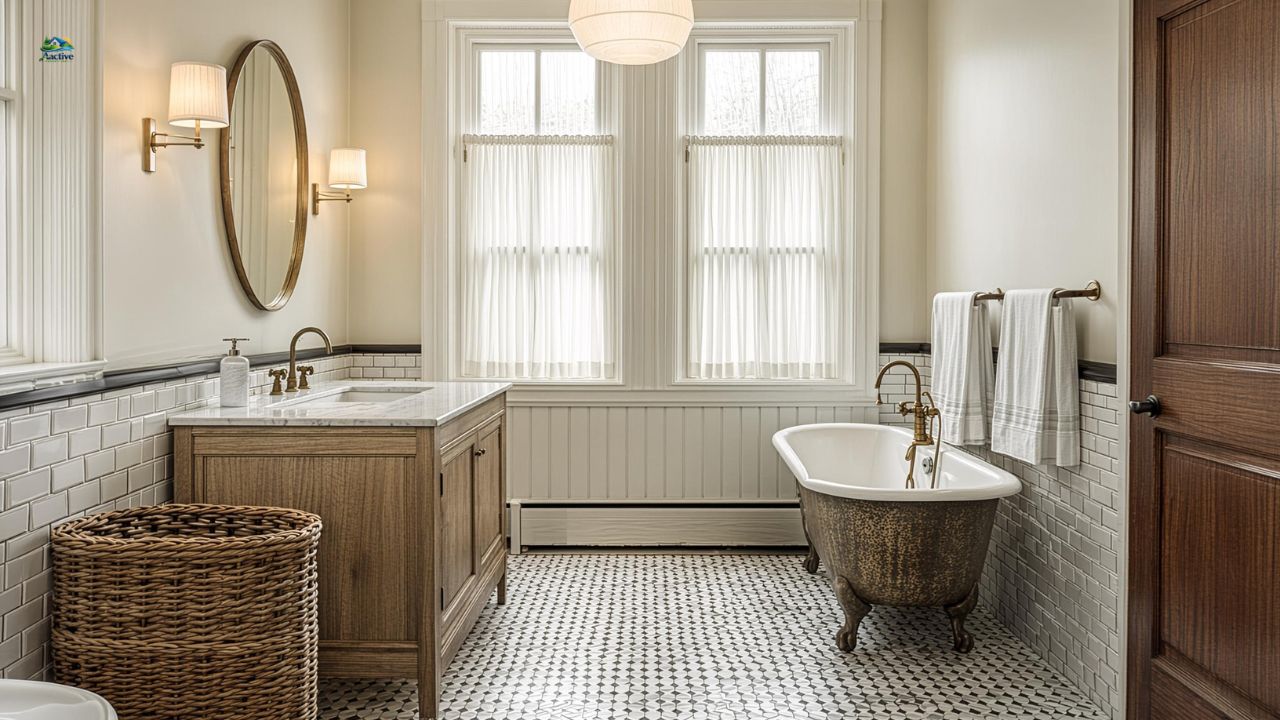
Ever walked into a bathroom and instantly felt relaxed, like the room had been waiting all day to give you a quiet little reset? That is the charm behind farmhouse bathroom floor tile ideas—they can make even a small bathroom feel warmer, calmer, and more personal.
The right floor does more than look pretty in photos. It handles splashes, muddy feet, morning chaos, cleaning products, and years of real life. And because farmhouse style blends comfort with practicality, your tile choice needs to feel timeless without becoming boring.
Table of Contents
- Why Farmhouse Bathroom Floors Feel So Timeless
- Best farmhouse bathroom floor tile ideas for Real Homes
- Choosing the Right Tile Material
- Color Palettes That Make Farmhouse Bathrooms Feel Warm
- Layouts, Patterns, and Shapes That Change the Whole Room
- Small Bathroom Tile Ideas With Big Farmhouse Character
- Budget, Installation, and Financial Insights
- Mistakes to Avoid Before You Buy Tile
- Modern Styling Tips for a Farmhouse Bathroom Floor
- FAQs
- Conclusion
Why Farmhouse Bathroom Floors Feel So Timeless
Farmhouse design works because it feels familiar. It borrows from old cottages, practical country homes, vintage utility rooms, and handmade finishes, then softens everything for modern living. In a bathroom, that usually means textured surfaces, quiet colors, natural materials, and details that look collected rather than overly polished.
Bathroom trends are also leaning in this direction. The National Kitchen & Bath Association’s 2025 bath trend coverage highlights wellness, spa-like features, natural colors, intentional lighting, and low-maintenance design as major priorities. That fits beautifully with farmhouse bathrooms, where calm and comfort matter just as much as style.
The floor is especially important because it sets the emotional tone before anyone notices the mirror, faucet, or towels. A black-and-white mosaic can feel nostalgic. A limestone-look porcelain tile can feel soft and European. A wood-look plank can bring warmth without the worries of real wood in a wet room.
In simple terms, farmhouse bathroom flooring should do three jobs: look welcoming, stand up to water, and age gracefully. The best rooms do not scream for attention. They quietly invite you in.
Best farmhouse bathroom floor tile ideas for Real Homes
The best farmhouse bathroom floor tile ideas are not about copying one trendy bathroom from Pinterest. They are about matching the age, size, light, and personality of your home. A 1920s cottage bath may need something different from a new-build modern farmhouse with black windows and a floating oak vanity.
1. Classic black-and-white checkerboard tile
Checkerboard tile is one of those looks that refuses to disappear. It can lean vintage, French country, cottage, or modern farmhouse depending on the tile size and finish. A smaller checkerboard feels old-fashioned and charming. Larger squares feel cleaner and more graphic.
For a softer farmhouse look, skip high-gloss black and bright white. Try charcoal and warm ivory instead. The contrast still gives the room energy, but it feels less harsh at 7 a.m. when you are half-awake and just trying to find your towel.
2. Hexagon tile with dark grout
Hex tile has a lovely old-house feeling, especially in white, cream, soft gray, or matte black. Small hexagons create more grout lines, which can add grip underfoot. Larger hexagons feel more contemporary and work well in modern farmhouse bathrooms.
Dark grout can be practical, but be thoughtful. Heavy black grout around tiny white hex tile creates a busy dotted effect. That can look fantastic in a powder room but overwhelming in a small primary bath. Warm gray grout is often the safer, friendlier choice.
3. Wood-look porcelain planks
Real wood in a bathroom can be risky because of moisture, swelling, and finish damage. Wood-look porcelain gives you the warmth without the same anxiety. Porcelain tile is defined by the Tile Council of North America as having water absorption of 0.5% or less, which is one reason it is so widely used in wet areas.
Choose a wood-look tile with subtle grain, not a dramatic orange or gray wash. Farmhouse style looks best when the “wood” tone feels believable: white oak, weathered pine, soft walnut, or reclaimed barnwood.
4. Limestone-look porcelain tile
Limestone is beautiful, but natural stone can require more upkeep. A limestone-look porcelain tile gives you that relaxed, chalky, old-world texture while staying easier to clean. It pairs nicely with unlacquered brass, beadboard, white walls, oak vanities, and linen shower curtains.
This is one of the most flexible farmhouse bathroom floor tile ideas because it can look rustic or elegant depending on what you place around it. Add a vintage rug and wood stool for cottage charm, or pair it with a sleek glass shower for a cleaner modern look.
5. Patterned encaustic-style tile
Patterned tile brings personality fast. Think faded florals, star motifs, soft blue-and-white designs, charcoal medallions, or muted terracotta patterns. True cement encaustic tile is gorgeous but porous and maintenance-heavy, so many homeowners choose porcelain versions that imitate the look.
Houzz’s 2025 flooring coverage notes that patterned porcelain remains popular for statement floors, with more geometric and Art Deco-inspired designs appearing alongside older encaustic-style looks.
For farmhouse bathrooms, the trick is restraint. If the floor is patterned, keep the walls quieter. Let the tile be the character in the room, not one loud voice competing with five others.
6. Brick-look floor tile
Brick floors feel humble, sturdy, and deeply farmhouse. Real brick can be rough and absorbent, but brick-look porcelain or thin brick pavers can give you a similar mood with more predictable performance.
A herringbone brick layout feels handcrafted and charming. A running bond pattern feels more relaxed. A warm red brick can look rustic, while whitewashed or taupe brick feels softer and brighter.
7. Marble-look farmhouse tile
Marble may sound fancy, but a honed marble-look porcelain tile can work beautifully in farmhouse bathrooms. The secret is choosing gentle veining instead of high-drama slabs. Soft gray, beige, or taupe veining feels more natural beside shiplap, painted vanities, woven baskets, and antique mirrors.
This is a smart compromise for homeowners who want a farmhouse room that still feels polished. It gives the bathroom a little quiet luxury without losing the cozy mood.
Choosing the Right Tile Material
A pretty tile can still be wrong for your bathroom if it is slippery, fragile, hard to maintain, or too expensive to install. Material matters. So before falling in love with color, think about daily use. Who uses the bathroom? Kids? Guests? Pets? Elderly parents? A rushed household of five?
Porcelain tile
Porcelain is one of the most practical bathroom floor choices. It is dense, moisture-resistant, durable, and available in almost every look: wood, stone, brick, cement, marble, checkerboard, and handmade styles. TCNA explains that porcelain has water absorption of 0.5% or less, while non-porcelain tile absorbs more than that.
Porcelain is especially useful for busy bathrooms, rental properties, and homes where you want style without constant sealing. It can cost more to cut and install, but it usually rewards you with long-term durability.
Ceramic tile
Ceramic tile is usually more budget-friendly and easier to cut. It works well in many bathroom floors, especially powder rooms and lower-traffic spaces. However, ceramic is generally less dense than porcelain, so always check whether the specific tile is rated for floors and wet areas.
For farmhouse style, ceramic shines in handmade-look squares, subway-inspired shapes, soft whites, cloudy blues, sage greens, and vintage mosaics. It can make a bathroom feel imperfect in a good way.
Natural stone tile
Slate, limestone, marble, and travertine can look stunning in farmhouse bathrooms. They bring real texture and variation that manufactured materials imitate but do not fully duplicate. However, stone often needs sealing, careful cleaning, and more maintenance.
If you love stone, choose it with your eyes open. A little patina may delight you. Etching, staining, or darkened grout may annoy you. Neither reaction is wrong; it just depends on your tolerance for natural aging.
Cement tile
Cement tile is known for rich color and old-world patterns. It can be breathtaking in a farmhouse bathroom, especially in a powder room where water exposure is lighter. Still, cement is porous and needs sealing. It can stain if neglected.
If you want the look without the worry, consider porcelain encaustic-look tile. It gives you the patterned charm with easier day-to-day care.
Material comparison table
| Tile material | Farmhouse look | Maintenance level | Best for | Watch out for |
|---|---|---|---|---|
| Porcelain | Wood, stone, brick, patterned, marble looks | Low | Busy full baths, family bathrooms, rentals | Harder cutting and installation |
| Ceramic | Handmade, vintage, cottage, classic | Low to medium | Powder rooms, guest baths, lighter use | Check floor rating carefully |
| Natural stone | Rustic, organic, old-world | Medium to high | Character-rich bathrooms | Sealing, staining, cleaning limits |
| Cement | Historic, patterned, artisanal | High | Statement powder rooms | Porosity and sealing needs |
| Mosaic tile | Vintage, charming, detailed | Medium | Small baths, shower-adjacent floors | More grout to clean |
Color Palettes That Make Farmhouse Bathrooms Feel Warm
Color can make or break farmhouse flooring. Too cold, and the room feels sterile. Too yellow, and it feels dated. Too many tones, and the space looks cluttered. A calm palette lets texture and pattern do the work.
Warm white and soft gray
This is the classic farmhouse bathroom combination. It feels clean without becoming clinical. White walls, gray grout, black hardware, and a soft gray tile floor can create a peaceful everyday bathroom.
The key is choosing warm whites rather than blue-white finishes. Warm white looks better with wood, brass, linen, and vintage accessories.
Cream, beige, and greige
Greige has become popular because it bridges gray and beige. It is softer than stark gray and less traditional than tan. In a farmhouse bathroom, greige floor tile pairs beautifully with oak vanities, creamy walls, woven baskets, and matte black or brushed nickel fixtures.
These tones are also forgiving. Dust, water spots, and small bits of lint are less obvious than they are on very dark or very white floors.
Black, white, and natural wood
This palette is crisp and reliable. Use black sparingly, especially in small bathrooms. Black tile floors can look dramatic, but they show dust, lint, hard-water marks, and soap residue. A black-and-white pattern is often easier to live with than a solid black floor.
Natural wood softens the contrast. A wooden stool, vanity, mirror frame, or shelf can keep the bathroom from feeling too graphic.
Sage green and weathered stone
Sage is gentle, earthy, and very farmhouse-friendly. Pair it with limestone-look tile, cream walls, and aged brass for a bathroom that feels calm without being plain.
This palette works especially well if the bathroom has natural light. In a windowless room, use sage carefully and balance it with warm white.
Layouts, Patterns, and Shapes That Change the Whole Room
Tile shape is not just decoration. It changes how the room feels. The same tile can look rustic, formal, modern, or playful depending on the layout.
Herringbone
Herringbone adds movement. In a farmhouse bathroom, it feels crafted and intentional. Use it with brick-look tile, wood-look planks, marble-look rectangles, or simple ceramic rectangles.
Because herringbone requires more cuts, it may increase labor. HomeAdvisor notes that complex tile designs such as herringbone, hexagons, or other non-rectangular layouts can raise installation costs because they take more planning and cutting.
Basketweave
Basketweave tile feels vintage without being too loud. It is lovely in black and white, cream and gray, or soft marble tones. This pattern works beautifully in older homes or bathrooms with pedestal sinks, classic vanities, and traditional trim.
Large-format squares
Large-format tile can make a farmhouse bathroom feel cleaner and more modern. Fewer grout lines mean a calmer look and often easier cleaning. Just make sure the room is measured carefully, because large tiles can create awkward slivers along walls if the layout is rushed.
Penny tile
Penny tile is charming, nostalgic, and playful. It suits powder rooms, children’s bathrooms, and vintage-inspired spaces. However, penny tile has lots of grout, so choose grout color wisely and seal if needed.
If you want an easy farmhouse look, use white penny tile with warm gray grout, a painted vanity, and an antique-style mirror. It feels sweet without trying too hard.
Small Bathroom Tile Ideas With Big Farmhouse Character
Small bathrooms are tricky. You want charm, but too much pattern can make the room feel crowded. On the other hand, playing it too safe can make the space forgettable. The goal is balance.
One of the smartest farmhouse bathroom floor tile ideas for small spaces is to choose a patterned floor and keep the walls simple. A compact room can handle a bold floor because the square footage is limited. The tile becomes a little moment of joy rather than a huge visual commitment.
Use scale carefully
Tiny mosaics can feel detailed and vintage, but they may look busy with patterned wallpaper or heavy shiplap. Larger tiles can make the floor feel calmer, but oversized tile in a tiny room may create awkward cuts.
A middle-ground option is often best: 8-inch squares, small hexagons, 12-inch stone-look tile, or narrow wood-look planks.
Keep contrast intentional
High contrast can make a small bathroom memorable. But if the floor is black-and-white, consider softer wall colors and simple linens. If the vanity is dark, choose a lighter floor. If the walls are moody, keep the tile quiet.
Let one feature lead
A small room cannot have everything fighting for attention. Pick the hero: floor tile, wallpaper, vanity color, or shower tile. Once you choose the hero, let the other elements support it.
For example, a blue patterned floor might pair with white walls, a natural oak mirror, and simple chrome fixtures. That feels collected. Add patterned wallpaper, a green vanity, black sconces, and striped towels, and suddenly the room feels restless.
Budget, Installation, and Financial Insights
Tile flooring is both a design decision and a financial one. It is easy to spend too much on a stunning pattern, then realize the labor, underlayment, grout, transitions, and demolition were not in your mental budget.
HomeAdvisor’s 2025 bathroom remodel guide lists an average bathroom remodel cost of about $12,135, with most projects ranging from $6,642 to $17,629. It also notes that labor, materials, location, size, and layout changes are key cost drivers.
For bathroom floor tile specifically, HomeAdvisor reports a typical range of $300 to $2,400, with an average around $1,300. It also lists common material ranges such as ceramic at about $0.50 to $7 per square foot, porcelain around $2 to $10 per square foot, porcelain wood tile around $3 to $12 per square foot, and natural stone often around $5 to $20 per square foot.
Budget-friendly farmhouse bathroom floor tile ideas
If you are watching costs, choose a simple porcelain or ceramic field tile and spend your style budget on layout or grout. A basic cream square laid in a checkerboard with taupe can look far more expensive than it is.
You can also create a border effect with affordable tile. For example, use a simple matte white hex across most of the floor, then add a thin black border around the room. It feels custom but does not require a premium tile everywhere.
Where to spend more
Spend more on installation, waterproofing details, floor prep, and slip-appropriate finishes. A beautiful tile on a poorly prepared floor is not a win. If the subfloor is uneven, damaged, or moving, the finished tile may crack or fail.
Also consider spending more on the tile in a small bathroom. Since the square footage is limited, upgrading from a basic tile to something more character-rich may not add as much as you fear. A powder room floor is a great place to choose the tile you truly love.
Where to save
Save on overly complex patterns if labor is tight. Save on trendy colors if resale matters. Save by keeping plumbing where it is. Save by using a porcelain stone look instead of real limestone or marble if maintenance worries you.
Simple budget table
| Project choice | Lower-cost option | Mid-range option | Higher-end option |
|---|---|---|---|
| Farmhouse floor look | Ceramic checkerboard | Porcelain stone look | Natural limestone or marble |
| Pattern | Straight lay | Diagonal or border | Herringbone or custom mosaic |
| Style detail | Grout contrast | Mixed tile sizes | Custom inlay or rug effect |
| Maintenance | Glazed ceramic | Matte porcelain | Sealed natural stone |
| Best room | Powder bath | Full bath | Primary suite |
Mistakes to Avoid Before You Buy Tile
The wrong tile mistake usually happens early, long before installation. It happens in the showroom, when the lighting is flattering and the sample board looks perfect. Then the tile arrives, covers the whole floor, and suddenly the undertone is wrong or the surface feels slick.
Choosing wall tile for the floor
Not every bathroom tile belongs on the floor. Wall tile may be too slippery, too thin, or not rated for foot traffic. Always check the manufacturer’s area-of-use guidance.
Ignoring slip resistance
Bathrooms get wet. That is not a design opinion; it is daily life. Matte and textured finishes are often better suited for bathroom floors than glossy finishes. HomeAdvisor’s bathroom floor tile guide notes that glossy glaze can become slippery when wet, while matte tile tends to offer a grippier surface.
This does not mean every matte tile is automatically safe, but it does mean surface finish deserves attention. Ask about slip ratings and appropriate use, especially for homes with kids, older adults, or walk-in showers.
Forgetting grout color
Grout changes everything. White grout looks crisp but can stain. Black grout creates contrast but may show residue. Warm gray, taupe, and beige are often easier to live with in farmhouse bathrooms.
Bring tile samples home and test grout sticks beside them. Look at them in morning light, evening light, and artificial light. Undertones can shift more than you expect.
Overdoing rustic finishes
A little rustic texture feels warm. Too much can feel dirty or staged. If the floor looks heavily distressed, keep the vanity and walls cleaner. If the vanity is reclaimed wood, choose a more refined tile. Farmhouse style works best when old and new are in conversation.
Skipping samples
Never choose tile from one online photo. Order samples, place them on the actual bathroom floor, and live with them for a few days. Put them near towels, paint samples, cabinet finishes, and metal fixtures.
It is a tiny step that can save you from a very expensive regret.
Modern Styling Tips for a Farmhouse Bathroom Floor
Modern farmhouse can go wrong when everything becomes too formulaic: black hardware, white shiplap, gray floor, wood vanity, repeat forever. The better version feels layered and personal.
Modern farmhouse bathroom floor tile ideas
Modern farmhouse bathroom floor tile ideas usually work best when they mix clean lines with warm materials. Think large-format limestone-look porcelain, soft checkerboard tile, charcoal hexagons, handmade-look ceramic squares, or pale wood-look planks.
The room should feel edited, not empty. Add texture through towels, baskets, wood, plants, and soft lighting rather than cluttering the floor pattern.
Pair old shapes with current finishes
Use a vintage tile shape in a modern color. Or choose a classic checkerboard in a larger scale. Or pick penny tile in a soft mushroom tone instead of stark white.
This keeps the room from feeling like a time capsule. It nods to farmhouse history without pretending the bathroom has not seen indoor plumbing and heated floors.
Use black carefully
Matte black fixtures are still popular, but too much black can make a bathroom feel flat. Try balancing black with aged brass, brushed nickel, warm wood, or creamy walls.
If your floor already has black in it, repeat black only two or three times in the room: perhaps the mirror frame, faucet, and towel hook. That is enough.
Add softness
Tile is hard. Bathrooms have lots of hard surfaces. Soften the room with fabric and organic texture: a linen shower curtain, cotton towels, a vintage-style runner, woven baskets, or a small wooden stool.
This is where farmhouse design becomes emotional. The room stops looking like a product display and starts feeling like someone lives there.
FAQs
What are the most timeless farmhouse bathroom floor tile ideas?
Checkerboard tile, hexagon mosaics, limestone-look porcelain, wood-look planks, brick-look tile, and soft marble-look porcelain are among the most timeless choices. They work because they feel familiar, practical, and easy to style with vintage or modern details.
Is porcelain or ceramic better for a farmhouse bathroom floor?
Porcelain is usually more moisture-resistant and durable, which makes it a strong choice for full bathrooms. Ceramic can still work well, especially in powder rooms or lower-traffic baths, but always confirm the tile is rated for floors and wet spaces.
What tile color is best for a small farmhouse bathroom?
Warm white, cream, greige, soft gray, pale stone, and subtle checkerboard combinations work well in small bathrooms. These colors keep the room light while still giving the floor personality.
Are patterned tiles too trendy for farmhouse bathrooms?
Not if the pattern feels rooted in classic design. Soft florals, vintage geometrics, faded cement-look patterns, and black-and-white motifs tend to age better than loud colors or ultra-trendy shapes.
Should bathroom floor grout be light or dark?
Medium grout colors are often easiest to live with. Warm gray, beige, or taupe can hide everyday marks better than white while feeling softer than black. The best choice depends on your tile color and how much contrast you want.
Can wood-look tile fit a farmhouse bathroom?
Yes. Wood-look porcelain is a practical choice when you want warmth without using real wood in a damp space. Choose natural-looking tones such as white oak, weathered pine, or light walnut for the most authentic effect.
What tile finish is safest for bathroom floors?
Matte or lightly textured finishes are generally better for wet bathroom floors than glossy finishes. Always check the manufacturer’s recommendations and slip-resistance information before buying.
How do I make farmhouse tile feel modern, not dated?
Use a restrained palette, cleaner lines, quality lighting, and fewer themed accessories. A classic tile can feel modern when paired with simple walls, warm wood, updated fixtures, and thoughtful styling.
What is the easiest farmhouse bathroom floor to maintain?
Matte porcelain tile in a stone, wood, or subtle pattern is usually one of the easiest options. It resists moisture well, offers many design choices, and requires less maintenance than many natural stone or cement tiles.
Conclusion
Good farmhouse design is not about chasing a perfect photo. It is about creating a bathroom that feels honest, useful, and quietly beautiful every day. The floor is the foundation of that feeling, so it deserves more thought than a last-minute showroom decision.
The most successful farmhouse bathroom floor tile ideas balance charm with practicality. They respect water, cleaning, budget, and real family routines while still giving the room soul. Maybe that means a soft checkerboard in a tiny powder bath. Maybe it is limestone-look porcelain in a primary suite. Maybe it is a weathered wood-look plank that makes the whole space feel warmer the second you walk in.
Choose samples slowly, think about maintenance honestly, and let the rest of the room support the floor instead of competing with it. When the tile feels right, the bathroom does not just look finished. It feels settled, welcoming, and wonderfully yours.