A plain wall can make even a well-furnished room feel unfinished. Add the right texture, shadow lines, and paint color, and suddenly the same space feels custom, warmer, and more expensive. That’s the quiet power of wall paneling.
Homeowners are drawn to it because it solves more than one problem. It can hide imperfect drywall, protect busy hallways, add character to builder-grade rooms, and create a focal point without needing oversized artwork or costly furniture.
If you’ve been saving wall panelling ideas from Pinterest, browsing wall panels for bedroom inspiration, or wondering whether a simple room panel design could make your home feel more polished, this guide will help you make smart choices.
The goal is simple: choose a design that fits your home, your budget, and the way you actually live.
What Wall Paneling Does for a Room
Wall paneling is a decorative or protective wall treatment made from wood, MDF, PVC, composite boards, acoustic panels, or other surface materials. It can cover a full wall, half a wall, a ceiling-height feature area, or a small section behind a bed, sofa, staircase, or dining bench.
The beauty of a good wall panel is that it gives a room architecture. Even a basic box-shaped room can feel more intentional when the walls have rhythm, depth, and proportion.
A flat painted wall depends heavily on color. A paneled wall works with light and shadow. That’s why the same white, beige, navy, or sage paint can feel richer once it sits on trim, battens, grooves, or raised sections.
Why It Feels More Custom
Most new homes come with smooth drywall because it’s practical and affordable. There’s nothing wrong with that, but it can leave bedrooms, living rooms, and hallways feeling a little bare.
A thoughtful panelling wall changes that immediately. It adds lines where there were none, gives furniture something to relate to, and makes the room feel less like a blank shell.
This is why wall paneling ideas are so popular with homeowners who want a high-impact update without renovating the entire house.
Where It Works Best
You can use panels almost anywhere, but some rooms benefit more than others. Bedrooms, living rooms, dining rooms, entryways, staircases, powder rooms, and hallways are the most common choices.
A bedroom may need softness and calm. A hallway may need durability. A living room may need a focal point. Different goals call for different wall panel ideas, so it helps to decide what the room is missing before you choose the style.
Popular Wall Paneling Styles and Where They Fit
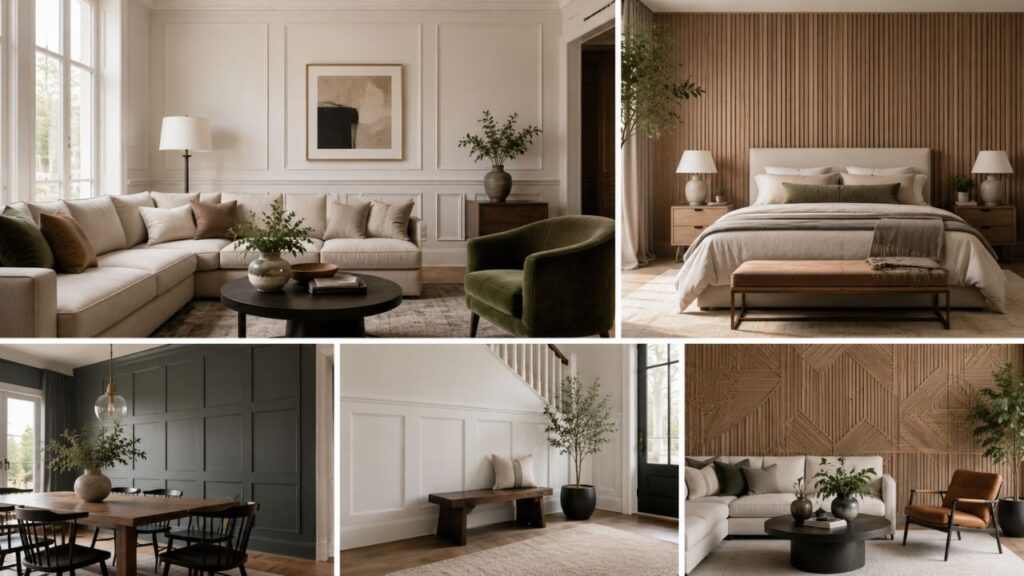
There are many ways to design wall paneling, from traditional raised panels to clean vertical slats. The best style depends on your home’s age, ceiling height, furniture, and how bold you want the final result to feel.
Some styles look timeless. Others feel more modern. A few can look trendy if the proportions are off, so it’s worth understanding the difference before you buy materials.
Board and Batten
Board and batten uses vertical strips, called battens, placed over a flat wall or backing board. It works beautifully in bedrooms, hallways, dining rooms, mudrooms, and staircases.
This style is one of the most forgiving panelling ideas because the spacing can be adjusted to suit the wall. Wider spacing feels calm and classic. Narrower spacing feels taller and more dramatic.
Board and batten is also a favorite for half wall paneling ideas, especially in family homes where lower walls get bumped by backpacks, chairs, pets, and daily traffic.
Shaker Panels
Shaker-style panels use simple rectangular frames. They look clean, balanced, and slightly traditional without feeling fussy.
If you like neat lines, this is one of the safest wall paneling ideas for bedrooms and living rooms. It can work behind a bed, around a dining area, or across a full lounge wall.
A shaker wall panel usually looks best when the rectangles line up with furniture. For example, the panel layout behind a bed should feel centered with the headboard, not randomly divided.
Slatted Panels
Vertical slats bring a modern, architectural feel. They’re often made from wood strips, MDF, or acoustic panels with felt backing.
This style works well when you want a warm, contemporary look. It’s especially useful for TV walls, office corners, and living room modern wall panelling where texture matters but heavy trim would feel too traditional.
Slats can also improve sound comfort slightly when paired with acoustic backing, though they won’t fully soundproof a room.
Beadboard and Tongue-and-Groove
Beadboard has narrow vertical grooves and a cottage-like feel. Tongue-and-groove boards create a similar rhythm but can look more coastal, farmhouse, or cabin-inspired depending on the finish.
These styles suit bathrooms, mudrooms, breakfast nooks, and wall panels for bedroom projects where you want charm rather than drama.
Painted beadboard feels crisp and traditional. Natural wood tongue-and-groove feels warmer and more rustic.
Raised Panels
Raised panels are more formal. You’ll often see them in older homes, dining rooms, libraries, and traditional entryways.
They require careful measuring because poor proportions can make the wall look heavy. When done well, raised panels bring elegance and depth that simple paint cannot match.
Wall Paneling Ideas for Bedrooms
Bedrooms are one of the best places for wall paneling because the treatment can act like a built-in headboard. It makes the bed wall feel finished, even if the rest of the room stays simple.
When people search wall panels for bedroom, they’re usually looking for warmth, calm, and a hotel-like finish without making the space feel busy.
Behind the Bed
The wall behind the bed is the natural focal point. A full-height shaker layout, vertical board and batten, or soft slatted feature wall can make the bed feel grounded.
For a queen or king bed, align the panel layout with the width of the bed and nightstands. This makes the whole wall feel planned.
A strong room panel design behind the bed can also reduce the need for extra artwork. The wall itself becomes the design feature.
Half-Height Bedroom Panels
Half-height panels work well when you want texture but don’t want the room to feel enclosed. They typically sit between 36 and 48 inches high, though taller versions can work with high ceilings.
This is one of the most practical half wall paneling ideas for bedrooms because it adds detail near the furniture level while keeping the upper wall calm.
Use a soft paint color above the panels if you want a cozy layered look. Warm white, mushroom, muted green, dusty blue, and soft taupe all work well.
Full-Wall Bedroom Designs
A full-wall panel can feel dramatic, especially in darker colors. Navy, charcoal, forest green, clay, and deep beige can make the bed wall feel rich and restful.
If your bedroom is small, choose vertical lines to draw the eye upward. If the room is wide, rectangular shaker panels can make it feel balanced.
Many wall panel ideas for bedrooms fail because they ignore outlets, switches, sconces, and headboard height. Mark those details before committing to the layout.
Bedroom Color Tips
Paneling changes how paint looks because shadows collect along the trim. A color that looks light on flat drywall may feel deeper on a paneled surface.
Test paint samples directly on the wall if possible. Look at them in morning light, afternoon light, and evening lamplight before choosing.
Living Room Wall Paneling Ideas That Feel Modern
Living rooms need balance. The walls should feel interesting, but they shouldn’t compete with the sofa, TV, windows, fireplace, shelving, and artwork.
That’s why living room modern wall panelling works best when it supports the room’s layout instead of trying to steal attention from everything else.
TV Wall Panels
A TV wall can be difficult to decorate because the screen already dominates the space. A subtle panelling wall can make the television feel integrated rather than floating on a blank surface.
Vertical slats, wide shaker panels, or flat picture-frame molding can all work. Keep the design cleaner if the TV is large.
For a calm look, paint the panels the same color as the wall. For more contrast, use warm wood slats or a darker painted panel behind the screen.
Sofa Wall Panels
The wall behind a sofa often needs structure. Artwork helps, but sometimes the wall still feels unfinished.
A simple wall panel layout can frame the seating area beautifully. Picture-frame molding works well in traditional rooms, while vertical battens or slats suit modern spaces.
If your sofa is low, avoid very short panels that make the wall feel squat. Taller vertical lines usually give better proportion.
Fireplace and Media Walls
If you have a fireplace, paneling can help connect the mantel, built-ins, and TV area. It can also make a modern electric fireplace look more permanent.
This is where living room panelling ideas need careful planning. Measure everything: mantel width, hearth height, TV size, outlet placement, and furniture distance.
A good installer will plan the wall before cutting boards. A rushed layout can leave awkward narrow strips near corners or switches.
Open-Plan Living Rooms
Open-plan spaces need visual zones. Paneling can define the lounge area without building walls.
For example, you can use panels only behind the sofa or dining table. This creates a natural boundary while keeping the room open.
These wall panelling ideas work especially well in apartments, townhomes, and newer homes where one large space serves many purposes.
Half Wall Paneling Ideas for Practical Homes
Not every room needs full-height detail. In many homes, the lower half of the wall takes the most wear, so half-height panels make practical sense.
Half wall paneling ideas are popular because they add character, protect walls, and keep costs more manageable than full-wall treatments.
Hallways and Staircases
Hallways get scuffed. Staircases get touched constantly. Kids, pets, bags, shoes, and furniture all leave marks.
A half-height panelling wall in these areas can protect the lower wall and make the space feel more finished. It also gives narrow hallways more character without taking up floor space.
Choose durable paint with a washable finish. Satin or eggshell often works better than flat paint in busy areas.
Dining Rooms
Dining chairs can damage walls over time. Half-height panels help protect the wall while adding a classic dining-room feel.
For a polished look, align the panel height with chair rails, windowsills, or nearby architectural lines. Random height choices can make the room feel unsettled.
This is one of the most timeless living room panelling ideas too, especially when the living and dining areas connect.
Powder Rooms
Small bathrooms and powder rooms can handle bold design because you don’t spend hours there. Half panels paired with wallpaper above can look charming and high-end.
Moisture matters, though. Use bathroom-suitable materials and seal edges properly, especially near sinks.
A PVC or moisture-resistant MDF wall panel may be a better choice than untreated wood in damp spaces.
Entryways and Mudrooms
Entryways need durability. A paneled lower wall can handle coats, bags, umbrellas, and everyday knocks.
Add hooks above or directly into reinforced boards if the layout allows. This turns decorative paneling into useful storage support.
Materials, Costs, and Buying Options
The right material affects cost, finish, durability, and installation time. A beautiful design can disappoint if the material isn’t suitable for the room.
Most homeowners choose MDF, wood, PVC, plywood, acoustic slat panels, or ready-made kits.
MDF Panels
MDF is smooth, affordable, and easy to paint. It’s one of the most common choices for painted trim and shaker-style designs.
The downside is moisture sensitivity. Standard MDF can swell if it gets wet, so choose moisture-resistant MDF for bathrooms, laundry rooms, or humid areas.
For many wall paneling ideas, MDF offers the best balance of price and finish.
Solid Wood
Solid wood brings natural warmth and strength. It works well for slats, tongue-and-groove boards, rustic panels, and high-end traditional designs.
Wood expands and contracts more than MDF, so installation needs care. It also costs more in most cases.
If you want a natural finish rather than paint, wood usually looks better than composite materials.
PVC and Composite Panels
PVC panels resist moisture, making them useful in bathrooms, basements, laundry rooms, and utility areas.
They can look less authentic than painted wood or MDF, but quality has improved. Choose simple profiles and matte finishes if you want a cleaner look.
Ready-Made Kits and B&Q Panelling
Many DIY homeowners search b&q panelling because B&Q is a well-known home improvement retailer in the UK and often appears in online paneling inspiration. Even if you live in the U.S., b&q panelling searches can still be useful for style ideas, layout examples, and product comparison language.
For U.S. shoppers, similar ready-made kits are available through home improvement stores, lumberyards, and online panel suppliers. The concept is the same: pre-cut strips, panels, or kits that simplify measuring and installation.
If you’re comparing b&q panelling with local options, look at material thickness, moisture rating, return policy, installation instructions, and whether the kit includes adhesive, trim, or finishing pieces.
Cost Expectations
Costs vary by material, wall size, labor rates, and detail level. A simple DIY MDF accent wall can be budget-friendly, while custom millwork across a large living room can cost much more.
In most cases, your budget depends on five things:
- Wall size
- Material type
- Trim complexity
- Paint or stain finish
- DIY versus professional installation
Simple panelling ideas cost less when the layout uses standard board sizes and avoids complicated cuts around windows, outlets, and built-ins.
How to Plan the Right Room Panel Design
A successful room panel design starts on paper, not at the saw. Even a small measuring mistake can make the final wall look uneven.
Before you buy materials, take photos of the wall, measure carefully, and sketch the layout. You don’t need professional drawing software. Graph paper or painter’s tape can work surprisingly well.
Start With the Room’s Architecture
Look at doors, windows, ceiling height, baseboards, vents, outlets, switches, and furniture placement. These details decide what panel style will feel natural.
A symmetrical wall can handle centered rectangles. A wall with off-center windows may need a simpler layout. A short wall may look better with vertical lines than large boxes.
This is where many wall panel ideas succeed or fail. The design has to respect the room you already have.
Use Painter’s Tape First
Painter’s tape is your best friend. Tape the proposed layout directly on the wall and live with it for a day.
Look at it from the doorway, the sofa, the bed, and the hallway. If something feels awkward in tape, it will probably feel worse after installation.
This step is especially helpful for living room modern wall panelling, where clean spacing matters.
Choose Paint Before Installation Ends
Paint color can completely change the feel of panels. White looks crisp. Cream feels softer. Dark colors create drama. Earth tones feel warm and current.
For a seamless look, paint the panels, trim, and wall the same color. For a more traditional effect, use paneling on the lower wall and a different color or wallpaper above.
If you’re trying several wall panelling ideas, test samples on both flat wall and trim pieces. Texture changes the way light hits the color.
Think About Furniture Scale
Paneling should relate to furniture. A small nightstand against oversized rectangles may look awkward. A large sectional under tiny boxes can feel busy.
Use the biggest furniture pieces as guides. The bed, sofa, dining table, fireplace, or media console should help determine the panel width and height.
DIY Versus Professional Wall Paneling Installation
Some paneling projects are very DIY-friendly. Others need a carpenter, especially when walls are uneven, cuts are complex, or the room has older trim.
The choice depends on your tools, patience, wall condition, and tolerance for small imperfections.
When DIY Makes Sense
DIY works well for simple board and batten, basic shaker panels, small accent walls, and straightforward half-wall layouts.
You’ll need measuring tape, a level, saw or miter box, adhesive, nails, caulk, filler, primer, and paint. A laser level makes the job much easier.
A simple wall paneling project can be rewarding if you enjoy hands-on home improvement and have time to work carefully.
When to Hire a Professional
Hire a professional if the wall is large, the design is detailed, or you want a flawless finish. Older homes with uneven walls may also need extra skill.
A carpenter or finish trim installer can help with tricky corners, precise spacing, and smooth transitions around windows, doors, and baseboards.
Professional help is especially useful for formal dining rooms, staircase paneling, custom built-ins, and high-end living room panelling ideas.
Questions to Ask an Installer
Before hiring a local wall paneling contractor near you, ask:
- Have you installed this style before?
- Can you show photos of similar work?
- Do you handle caulking, priming, and painting?
- What material do you recommend for this room?
- How do you plan spacing around outlets and corners?
- How long will the project take?
- Is cleanup included?
Good installers explain their process clearly. They don’t rush you into a design before measuring the room.
Common Mistakes to Avoid
Paneling looks simple, but small errors can stand out once the paint dries. The most common mistakes usually come from poor planning, weak proportions, or choosing the wrong material.
Making Panels Too Small
Tiny boxes can make a wall feel busy. Unless you’re copying a very traditional style, larger panels usually look cleaner and more expensive.
This is especially true for wall panels for bedroom projects. A calming bedroom needs breathing room, not a crowded grid.
Ignoring Wall Imperfections
Most walls are not perfectly straight. If you install trim without checking, gaps and uneven lines can appear quickly.
Caulk and filler help, but they cannot fix a bad layout. Use a level, check corners, and plan for slight imperfections.
Choosing the Wrong Style for the Home
A very ornate raised panel may look odd in a simple modern condo. A harsh geometric design may feel out of place in a traditional cottage.
The best wall paneling ideas feel connected to the home’s architecture. They enhance the room instead of fighting it.
Forgetting Maintenance
Deep grooves collect dust. Raw wood needs care. Bathroom panels need moisture protection.
Before choosing a panelling wall, think about how easy it will be to clean. Busy households often do better with smoother profiles and durable paint.
Overusing Paneling Everywhere
Paneling is powerful because it adds emphasis. If every wall in every room has a different style, the home can feel chaotic.
Choose priority areas first. A bedroom feature wall, hallway half wall, or living room media wall may be enough.
Frequently Asked Questions
How much does wall paneling near me usually cost?
The cost depends on your city, wall size, material, and whether you hire a local installer or do it yourself. A simple MDF accent wall is usually the most affordable, while custom woodwork, painted finishing, and detailed layouts cost more. For accurate pricing, ask for an in-home measurement because photos alone rarely show wall condition, outlets, corners, or trim issues.
What are the best wall panelling ideas for a small bedroom?
The best wall panelling ideas for a small bedroom usually use vertical lines, soft colors, and simple spacing. Vertical board and batten can make the ceiling feel taller, while a painted shaker feature behind the bed adds depth without crowding the room. Keep the design calm and avoid tiny repeated boxes.
Are wall panels for bedroom walls worth it?
Wall panels for bedroom walls are worth it when you want a finished focal point without buying a large headboard or expensive artwork. They add texture, help frame the bed, and can make a plain room feel more custom. They’re especially useful in primary bedrooms, guest rooms, and small rooms that need character.
How long does a room panel design take to install?
A basic room panel design on one feature wall may take one to two days for installation, plus extra time for caulking, priming, and painting. Larger rooms, staircases, and detailed layouts can take longer. Drying time matters, so a project may stretch over several days even if the hands-on work is not constant.
What is the best living room modern wall panelling style?
Living room modern wall panelling often looks best with vertical slats, wide shaker panels, or clean floor-to-ceiling battens. The best choice depends on whether you want warmth, drama, or subtle texture. For TV walls, keep the design simple so it doesn’t compete with the screen.
What are simple half wall paneling ideas for hallways?
Simple half wall paneling ideas for hallways include board and batten, shaker rectangles, beadboard, and chair-rail-height panels. These styles protect lower walls from scuffs while adding charm. Use washable paint because hallways get touched more than most rooms.
Can I ask a local installer for wall paneling ideas before booking?
Yes, a good local installer should be able to suggest wall paneling ideas after seeing your room. They can explain which styles suit your wall height, trim, furniture, and budget. The best pros will also tell you when a design may look too busy or cost more than it’s worth.
What panelling ideas work best for older homes?
Traditional panelling ideas such as shaker panels, beadboard, raised panels, and picture-frame molding usually suit older homes well. The key is matching the scale of the trim to the home’s existing doors, baseboards, and ceiling height. Avoid ultra-modern slats unless the rest of the interior already mixes old and new styles.
What wall panel ideas are easiest for DIY beginners?
The easiest wall panel ideas for beginners are usually simple board and batten or square shaker-style trim on a flat wall. These designs use straight cuts, basic spacing, and paintable materials. Avoid complicated diagonal patterns until you’re comfortable measuring and cutting accurately.
Is B&Q panelling the same as local wall paneling kits?
B&Q panelling refers to paneling products and inspiration connected with the UK retailer B&Q, while U.S. homeowners usually buy similar kits from local home improvement stores, lumber suppliers, or online panel brands. The style idea may be similar, but material sizes, terminology, and availability can differ. If you’re comparing b&q panelling, check thickness, moisture rating, and installation method against local products.
Final Thoughts
Good wall paneling does more than decorate a room. It gives blank walls structure, helps furniture feel grounded, and adds the kind of detail that makes a home feel considered rather than unfinished.
Whether you’re drawn to soft bedroom panels, practical hallway protection, living room modern wall panelling, or classic half wall paneling ideas, start with the room’s real needs. Think about scale, material, lighting, paint, and how the space is used every day.
A beautiful paneled wall doesn’t have to be complicated. When the proportions are right and the finish suits the home, even one carefully designed wall can change the way the whole room feels.