A fireplace can make a room feel instantly warmer, but the space around it often becomes awkward, cluttered, or oddly empty. That is where fireplace cabinets can completely change the mood and function of a living room.
Instead of treating the fireplace wall as a lonely feature, smart cabinetry turns it into a balanced focal point with storage, display space, media organization, and a more finished look. Done well, it feels cozy, useful, and quietly expensive without shouting for attention.
The key is planning. A beautiful built-in can look wrong if the proportions are off, the shelves are too busy, or the materials sit too close to heat. And because fireplaces involve real safety considerations, good design should always respect clearance rules, manufacturer instructions, and local building codes.
That matters more than many homeowners realize. The U.S. Fire Administration says heating fires were the second leading cause of home fires in 2021, with an estimated 32,200 home heating fires reported to U.S. fire departments; it also advises keeping anything that can burn at least three feet from heat sources, including fireplaces.
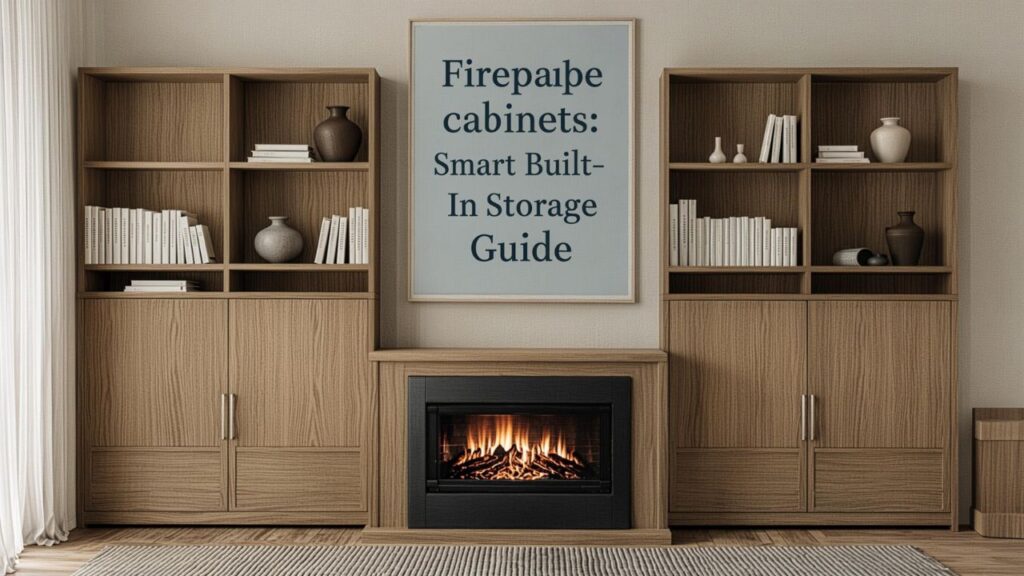
Table of Contents
- What fireplace cabinets Are
- Why They Matter in Modern Living Rooms
- Main Design Styles and Layout Options
- Safety, Clearance, and Material Planning
- How to Plan the Right Cabinet Layout
- Storage Ideas That Actually Work
- Materials, Finishes, and Hardware Choices
- Budget, Home Value, and Financial Considerations
- Common Mistakes to Avoid
- Real-Life Design Examples
- FAQ
- Conclusion
What fireplace cabinets Are
Fireplace cabinets are built-in or freestanding storage units installed beside, around, or near a fireplace wall. They may include closed base cabinets, open shelves, bookcases, media storage, drawers, display niches, wood storage, or a full wall unit that frames the fireplace as the center of the room.
In simple terms, they solve two problems at once: they make the fireplace wall look intentional, and they give the room more usable storage. A bare fireplace can feel disconnected from the rest of the space. Add balanced cabinetry, and suddenly the wall has rhythm, weight, and purpose.
You will often see this idea used in family rooms, dens, libraries, formal living rooms, bedrooms, basements, and open-plan great rooms. Sometimes the cabinets are symmetrical, with matching units on both sides. Other times, one side holds media equipment while the other side becomes a reading nook or display zone.
The best designs do not just copy a Pinterest photo. They respond to the room. Ceiling height, hearth size, fireplace type, window placement, traffic flow, TV location, electrical outlets, and furniture layout all affect what will look natural.
A helpful definition is this: fireplace wall cabinetry is a design system that combines storage, visual balance, heat-safe planning, and architectural detail around a fire feature.
Why fireplace cabinets Matter in Modern Living Rooms
The living room is usually asked to do too much. It has to welcome guests, hide clutter, support movie nights, hold books, display memories, manage cords, and still feel calm at the end of a long day. That is a heavy job for one room.
This is why homeowners are drawn to built-ins. They create order without making the room feel sterile. Closed doors hide board games, remotes, blankets, toys, chargers, and seasonal items. Open shelves show books, ceramics, framed photos, baskets, and art. Together, they make the space feel personal but not messy.
There is also a design psychology at work. A fireplace already pulls the eye because it suggests warmth, comfort, and gathering. Cabinetry can strengthen that emotional pull by framing the fire, creating symmetry, and giving the room a “settled” feeling.
Home improvement data supports the idea that homeowners value livability and beauty. The 2025 Remodeling Impact Report from NARI and NAR noted that homeowners named improved functionality and livability, durable results, and enhanced beauty among their most important remodeling outcomes; 64% said they had a greater desire to be home after remodeling.
There is another practical angle: buyers often respond well to homes that feel finished. Zillow’s 2026 research found that customized, turnkey homes can sell for upward of 3% more than similar homes, though the report also cautions sellers not to rush into renovations only for resale.
In other words, cabinets around a fireplace can improve daily enjoyment first. Resale appeal may be a bonus, but the strongest reason to add them is that they make the room easier and nicer to live in.
Main Design Styles and Layout Options
Not every fireplace wall needs the same treatment. A cottage-style home, a modern townhouse, and a traditional colonial will each call for a different approach. The design should feel like it belongs to the architecture, not like it was pasted on from a catalog.
Symmetrical built-ins
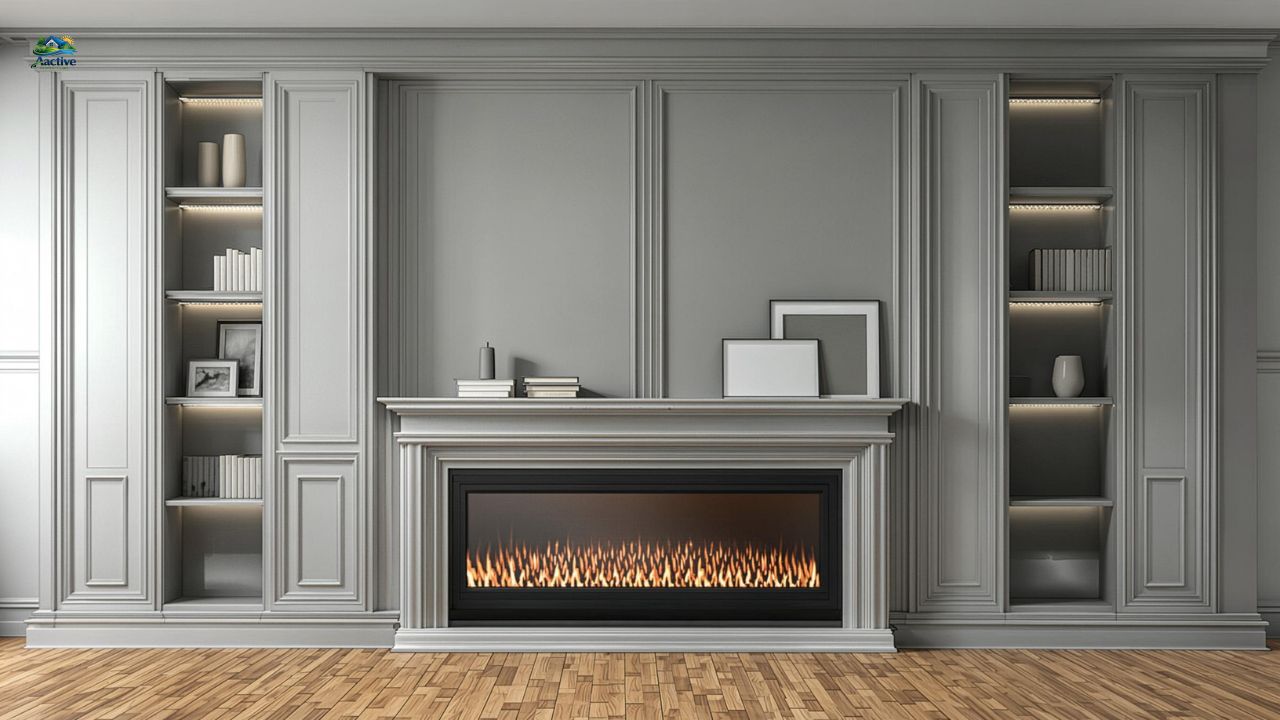
Symmetry is the classic choice. Matching cabinets on both sides of the fireplace create a formal, balanced look. This works beautifully when the fireplace is centered on a wall and the room has a traditional or transitional style.
Typical features include lower cabinets, open shelves above, crown molding, matching sconces, and a mantel that lines up visually with the shelving. Symmetry is especially helpful in rooms that feel chaotic because it brings instant order.
Asymmetrical layouts
Asymmetry can feel more relaxed and modern. For example, one side of the fireplace might have tall shelving, while the other side has a low cabinet and artwork. This approach works well when windows, doorways, or room dimensions prevent a perfect match.
The trick is balance, not sameness. A tall cabinet on one side can be balanced by a large painting, tall plant, or wider media console on the other.
Full media wall
A media wall combines the fireplace, TV, cabinets, shelves, speakers, and wiring into one organized feature. This can look sleek, but it needs careful planning. The TV should not sit too high, and heat exposure must be considered.
If the fireplace produces significant heat, the TV and electronics need protection through proper mantel projection, recessing, ventilation, or an alternate layout. Always check the fireplace manufacturer’s installation manual and local code before finalizing the design.
Bookcase-style built-ins
Bookcase-style units are ideal for readers, collectors, and anyone who wants the room to feel lived-in. They soften the fireplace wall and add character. However, they can look cluttered quickly if every shelf is packed.
A good rule is to mix vertical books, horizontal stacks, framed art, negative space, and a few sculptural pieces. Empty space is not wasted space; it gives the eye somewhere to rest.
Low storage cabinets
Low cabinets work well in modern, casual, or small rooms. Instead of full-height built-ins, you can use base cabinets on either side of the fireplace with floating shelves, artwork, or windows above.
This layout keeps the wall open and airy. It is especially useful when ceilings are low or when full-height cabinetry would feel heavy.
Safety, Clearance, and Material Planning
Here is the part that matters most: fireplace walls are not ordinary storage walls. Heat, sparks, gas lines, vents, electrical wiring, and combustible materials all need to be respected.
The U.S. Fire Administration recommends keeping anything that can burn at least three feet away from heat sources and having heating equipment and chimneys cleaned and inspected annually by a professional. The Consumer Product Safety Commission also recommends working smoke alarms on every level of the home, outside sleeping areas, and inside bedrooms.
For masonry fireplaces, model codes include specific rules for combustible materials near the fireplace opening and surrounding structure. For example, available residential code documents describe clearance requirements for wood framing and combustible trim around masonry fireplaces, including minimum clearances from fireplace faces and limits on mantel or trim placement.
That said, there is no single universal clearance that applies to every project. Gas inserts, electric fireplaces, masonry fireplaces, direct-vent units, ventless systems, wood stoves, and factory-built fireplaces can all have different requirements.
Before building, confirm:
- Fireplace type and model number
- Manufacturer clearance requirements
- Local building code requirements
- Heat output and venting path
- Hearth dimensions
- Mantel projection rules
- Electrical and media wiring locations
- Whether nearby materials are combustible or noncombustible
- Access needs for service panels, valves, outlets, and vents
Do not guess here. A carpenter, cabinetmaker, fireplace installer, or local inspector can help prevent expensive and dangerous mistakes.
How to Plan fireplace cabinets for the Right Layout
Good planning starts with measuring, but it does not end there. You need to understand how the room is actually used. A couple with toddlers will need different storage than an empty nester who wants a quiet reading room. A family that watches sports every weekend will plan differently from someone who never wants a TV over the mantel.
Measure the fireplace wall
Start with the width of the wall, ceiling height, firebox size, hearth depth, mantel height, window and door locations, outlet locations, and any wall returns or bump-outs.
Then measure the furniture. This sounds boring, but it saves the design. A cabinet that looks perfect on paper may crowd a sofa, block a walkway, or make the room feel tight.
Decide what needs to be stored
Make a real inventory. Not the fantasy version where everything is already organized. List what actually lives in the room:
- Remote controls
- Streaming devices
- Game consoles
- Books
- Photo albums
- Board games
- Throws and pillows
- Children’s toys
- Pet supplies
- Firewood or fireplace tools
- Candles and seasonal décor
- Speakers and media equipment
This list tells you whether you need drawers, shelves, doors, baskets, deep cabinets, shallow cabinets, or hidden wire channels.
Choose open, closed, or mixed storage
Open shelving looks beautiful when styled, but it asks for discipline. Closed cabinets are forgiving. Most homes benefit from a mix.
A strong formula is closed storage on the bottom and open display above. The lower cabinets hide everyday mess. The upper shelves add personality.
Plan the visual weight
Cabinetry has weight, even when painted white. Tall units can make a room feel grand or cramped depending on proportions.
If the fireplace is narrow, overly wide side units may overpower it. If the fireplace is large, tiny shelves may look like an afterthought. Aim for a composition where the firebox, mantel, shelves, and cabinets feel connected.
Storage Ideas That Actually Work
Some storage looks good in photos but fails in real life. The best storage is the kind people actually use without thinking too hard.
Deep lower cabinets are great for bulky items like blankets, games, toys, and seasonal décor. Drawers are better for small items because you can pull everything into view. Adjustable shelves help the cabinetry adapt over time.
If you store electronics, plan ventilation. Media components can overheat in sealed cabinets. Use vented doors, open backs, wire grommets, or dedicated media cabinets where needed.
For families, labeled baskets can save sanity. One basket for toys, one for controllers, one for chargers, one for fireplace accessories. It may not feel glamorous, but it keeps the room from turning into a daily battle.
For display shelves, use the “one-third rule.” Roughly one-third books, one-third decorative objects, and one-third open space. You can bend the rule, of course, but it prevents the shelves from looking stuffed.
Here is a simple storage planning table:
| Storage need | Best cabinet solution | Design tip |
|---|---|---|
| Blankets and pillows | Deep base cabinets | Use soft-close doors or drawers |
| Books | Adjustable open shelves | Vary vertical and horizontal stacks |
| Media devices | Vented cabinet with wire access | Avoid sealed boxes for electronics |
| Kids’ toys | Lower drawers or baskets | Keep storage reachable |
| Fire tools | Side niche or closed cabinet | Confirm safe distance from heat |
| Décor | Open shelves with lighting | Leave breathing room |
| Games | Wide drawers or cabinet shelves | Sort by frequency of use |
| Cords and chargers | Drawer with outlet insert | Ask an electrician for safe installation |
Materials, Finishes, and Hardware Choices
Material choice affects durability, style, safety, and budget. Painted wood, stain-grade wood, MDF, plywood, veneer, metal, stone, tile, and noncombustible panels can all play a role.
For many interiors, painted cabinetry is the most flexible. White, cream, greige, soft gray, deep green, navy, charcoal, and warm taupe are popular because they can shift between classic and modern. If you want the fireplace wall to feel like architecture, paint the cabinetry the same color as the trim or wall.
Natural wood brings warmth. Oak, walnut, maple, and white oak can make the room feel organic and expensive. Wood is especially effective when the fireplace surround is stone, brick, plaster, or concrete.
Hardware changes the mood quickly. Brass feels warm and traditional. Matte black feels crisp and modern. Nickel feels clean and transitional. Wood knobs or recessed pulls can look quiet and custom.
Lighting is another upgrade worth considering. Small picture lights, shelf lighting, or warm LED strips can make shelves glow in the evening. However, electrical work near a fireplace wall should be planned carefully, especially if heat, masonry, or hidden wiring are involved.
For surround materials, consider contrast. A painted cabinet next to a stone fireplace can feel layered. A plaster fireplace with wood cabinets feels soft and modern. Brick with dark built-ins can feel cozy and dramatic.
Budget, Home Value, and Financial Considerations
There is no reliable public “net worth” angle for this topic because it is not about a specific person or celebrity. The relevant financial conversation is project value: what the investment may do for comfort, function, and potential resale appeal.
Costs vary widely based on room size, materials, labor rates, finish level, electrical work, fireplace modifications, and whether you choose ready-made units, semi-custom cabinetry, or fully custom millwork.
A simple budget range might look like this:
| Project type | Typical scope | Cost behavior |
|---|---|---|
| DIY ready-made cabinets | Stock bases and shelves | Lowest cost, limited fit |
| Semi-custom built-ins | Modified cabinet boxes and trim | Mid-range, polished look |
| Fully custom cabinetry | Designed and built for the wall | Highest cost, best fit |
| Media fireplace wall | Cabinetry, wiring, TV planning | Costs rise with electrical work |
| Fireplace remodel plus cabinetry | Surround, mantel, hearth, cabinets | Highest complexity |
Financially, the smartest approach is to spend where the room needs it most. If the cabinets will be used daily, invest in sturdy boxes, quality hinges, good drawer slides, durable paint, and sensible layout. You can save money on decorative accessories later.
The NARI/NAR remodeling report found that homeowners often finance remodeling through home equity loans or lines of credit, savings, and credit cards, with home equity financing being the largest share among surveyed consumers. That does not mean every project should be financed. It means homeowners should think carefully about budget, timeline, and whether the improvement supports daily life.
For resale, avoid overly personal built-ins that only work for your habits. A wall of unusual cubbies may be perfect for one hobby but confusing to buyers. Flexible shelves, classic doors, and thoughtful storage usually age better.
Common Mistakes to Avoid
The most common mistake is building too close to the fireplace without confirming clearances. This is not just a design error; it can become a safety issue. Manufacturer instructions and local code should guide the final layout.
The second mistake is making the TV the wrong height. A TV mounted far above a mantel may look impressive in photos, but it can be uncomfortable for everyday viewing. If you must place a TV over the fireplace, test the viewing height from your actual sofa before committing.
The third mistake is ignoring depth. Cabinets that are too shallow may not hold anything useful. Cabinets that are too deep may push into the room and make the fireplace wall feel bulky.
The fourth mistake is filling every shelf. Real homes need breathing room. Too many objects can make expensive cabinetry look messy.
The fifth mistake is using trendy finishes without considering the rest of the house. A dramatic black wall might look stunning online, but if the home is light, coastal, and casual, it may feel disconnected.
The sixth mistake is forgetting maintenance access. Gas valves, outlets, vents, cleanouts, and service panels should not be permanently buried behind cabinetry.
The seventh mistake is mixing too many styles. Shaker doors, rustic beams, glossy tile, ornate corbels, industrial metal, and modern floating shelves can fight each other if there is no clear design direction.
Real-Life Design Examples
Picture a young family in a 1990s home with a red brick fireplace and two empty alcoves. Their biggest problem is clutter: toys, remotes, blankets, and gaming controllers everywhere. A smart solution would be painted base cabinets on both sides, adjustable shelves above, and large woven baskets at kid height. The brick could stay, but the mantel might be simplified to make the whole wall feel fresher.
Now imagine a retired couple downsizing into a smaller townhouse. They want warmth but not visual noise. Low white oak cabinets beside a clean gas fireplace could hold photo albums, extra linens, and books. Above the cabinets, two large artworks or quiet floating shelves would keep the room calm.
A third example: a basement family room with an electric fireplace and a large TV. Here, the priority is media organization. The wall might include closed lower cabinets, a recessed TV niche, acoustic-friendly speaker placement, and hidden wiring. Because electric units still have manufacturer clearance requirements, the installation manual should guide the exact details.
For a traditional home, symmetrical built-ins with crown molding, inset cabinet doors, and warm lighting can make the fireplace feel original to the house. For a modern home, flat-panel doors, slab stone, plaster, and minimal shelves may look cleaner.
The lesson is simple: design for the life in the room, not just the photo.
FAQ
Are fireplace cabinets safe near a working fireplace?
They can be safe when designed with proper clearances, suitable materials, and professional guidance. Always follow the fireplace manufacturer’s instructions, local building code, and fire safety recommendations before installing anything near heat.
How deep should cabinets beside a fireplace be?
Base cabinets are often deeper than upper shelves because they need to store larger items. Many living room base cabinets are around standard cabinet depth, while display shelves may be shallower. The right depth depends on room size, storage needs, and fireplace clearance.
Can I put a TV above a fireplace with built-ins?
Yes, but it is not always ideal. Heat, viewing height, neck comfort, mantel depth, and wiring all matter. Test the height from your seating area and confirm that heat from the fireplace will not damage the TV or electronics.
What is the best material for cabinetry around a fireplace?
Painted wood, plywood, MDF, hardwood, veneer, and noncombustible materials can all work depending on location and heat exposure. Areas close to the firebox may require noncombustible materials or extra clearance, so check code and manufacturer rules.
Should built-ins be symmetrical?
Symmetry is beautiful when the fireplace is centered and the room supports it. However, asymmetrical layouts can look more natural when windows, doors, or furniture make perfect balance impossible.
Do cabinets around a fireplace add home value?
They may improve perceived value when they look custom, useful, and appropriate for the home. However, resale impact varies by market, quality, and buyer taste. The strongest benefit is often daily comfort and better storage.
What should I store near a fireplace?
Store everyday living room items such as books, games, blankets, media accessories, and décor. Avoid storing flammable materials too close to active heat sources, and keep fire tools or fuel only where it is safe and appropriate.
How do I style shelves without making them look cluttered?
Use fewer items than you think you need. Mix books, framed art, ceramics, baskets, and open space. Repeat colors and materials so the shelves feel collected rather than chaotic.
Are custom built-ins better than ready-made cabinets?
Custom built-ins usually fit better and look more architectural, but they cost more. Ready-made cabinets can still look excellent when trimmed carefully, painted well, and planned around the fireplace proportions.
Conclusion
A fireplace already has emotional power. It suggests comfort, quiet evenings, family conversations, and a place to gather when the world feels too busy. The right cabinetry simply gives that feeling a stronger frame.
When planned well, fireplace cabinets can bring order, beauty, storage, and architectural character to one of the most important walls in your home. They can hide the mess, show the pieces you love, and make the entire room feel more intentional.
The best design is not the fanciest one. It is the one that fits your room, respects safety, supports your habits, and still feels good years from now. Start with measurements, think honestly about storage, choose materials that belong in your home, and never skip clearance or safety checks. A cozy room should also be a safe one.